

Jake Kimball | July 22, 2026 | Personal Injury
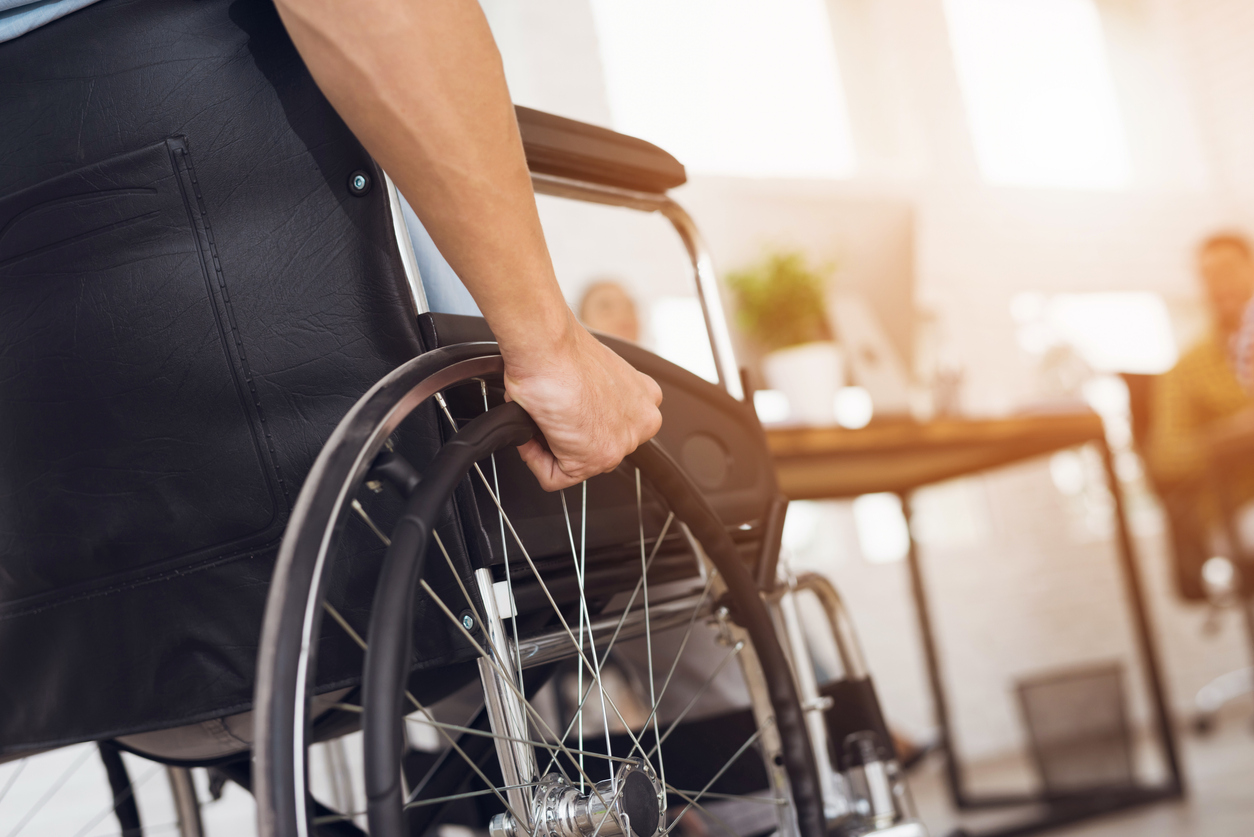
A disability can affect nearly every aspect of a person’s life, from the ability to work and earn a living to performing everyday tasks or enjoying favorite activities. Some disabilities develop gradually due to illness or age, while others result suddenly from traumatic accidents caused by another person’s negligence.
Understanding the most common types of disabilities can help you recognize the challenges injured individuals face and why obtaining proper medical care and financial support is so important after a serious accident.
1. Traumatic Brain Injuries
Traumatic brain injuries (TBIs) are among the most life-changing disabilities a person can experience. A TBI can occur after a car accident, truck collision, motorcycle crash, fall, or any incident involving a blow or jolt to the head.
Depending on the severity, a traumatic brain injury may cause:
- Memory loss
- Difficulty concentrating
- Personality changes
- Speech problems
- Poor coordination
- Vision or hearing issues
- Permanent cognitive impairment
While some people recover fully, others experience lifelong disabilities that require ongoing therapy, rehabilitation, and assistance with daily living.
2. Spinal Cord Injuries and Paralysis
Damage to the spinal cord can permanently change a person’s mobility and independence.
Severe spinal cord injuries may result in:
- Paraplegia
- Quadriplegia (tetraplegia)
- Partial paralysis
- Loss of sensation
- Chronic pain
- Loss of bladder or bowel control
These injuries often require extensive rehabilitation, home modifications, adaptive equipment, and long-term medical care.
3. Mobility Disabilities
Mobility disabilities affect a person’s ability to walk, stand, climb stairs, or move without assistance.
They may result from:
- Broken bones that heal improperly
- Joint damage
- Severe muscle injuries
- Amputations
- Arthritis
- Neurological disorders
Many individuals rely on wheelchairs, walkers, canes, prosthetic limbs, or other assistive devices to remain independent.
4. Vision Impairments and Blindness
Vision disabilities range from partial vision loss to complete blindness.
They may develop because of:
- Traumatic eye injuries
- Brain injuries affecting vision
- Disease
- Birth conditions
Vision impairment can make driving, reading, working, and navigating unfamiliar environments significantly more difficult.
Modern technology, guide dogs, mobility training, and adaptive devices allow many visually impaired individuals to live independently, although daily challenges often remain.
5. Hearing Loss
Hearing disabilities can occur suddenly after trauma or gradually over time.
Common causes include:
- Head injuries
- Loud noise exposure
- Certain illnesses
- Aging
- Damage to the inner ear
Hearing loss can affect communication, employment opportunities, education, and personal relationships.
Treatment options may include hearing aids, cochlear implants, speech therapy, or sign language.
6. Amputations
Amputations may occur because of:
- Motor vehicle accidents
- Workplace accidents
- Crushing injuries
- Severe burns
- Infections
- Medical complications
People who experience amputations often face lengthy rehabilitation and must learn to adapt using prosthetic limbs or mobility devices.
7. Chronic Pain Disorders
Not every disability is immediately visible. Chronic pain conditions can make it difficult or impossible to maintain employment or perform routine daily activities.
Examples include:
- Complex Regional Pain Syndrome (CRPS)
- Chronic back pain
- Neck injuries
- Nerve damage
- Fibromyalgia
Persistent pain may interfere with sleep, concentration, physical activity, and mental health.
8. Mental Health Disabilities
Mental health conditions can become disabling when they substantially interfere with a person’s ability to function at work, school, or home.
Some of the most common include:
- Post-traumatic stress disorder (PTSD)
- Severe depression
- Anxiety disorders
- Bipolar disorder
- Obsessive-compulsive disorder (OCD)
Following a traumatic accident, some individuals develop psychological injuries alongside physical injuries.
9. Intellectual and Developmental Disabilities
Intellectual and developmental disabilities generally begin during childhood and affect learning, communication, reasoning, or daily living skills.
Examples include:
- Down syndrome
- Autism spectrum disorder
- Cerebral palsy (in some cases)
- Intellectual disabilities resulting from birth injuries
Although these disabilities are not typically caused by accidents, traumatic brain injuries can sometimes result in permanent cognitive impairments that resemble certain developmental limitations.
10. Musculoskeletal Disabilities
Musculoskeletal disabilities affect the body’s bones, muscles, joints, tendons, and ligaments.
They may develop after:
- Serious fractures
- Crush injuries
- Multiple surgeries
- Joint replacements
- Severe ligament tears
- Degenerative conditions
Even when someone appears fully healed, permanent musculoskeletal damage may continue to affect their ability to work or enjoy everyday activities.
Contact a Colorado Springs Personal Injury Lawyer at Kimball Injury Law, LLC for a Free Consultation
A disability can permanently change every aspect of a person’s life, affecting physical health, emotional well-being, financial stability, and independence. Whether the disability involves a traumatic brain injury, spinal cord damage, chronic pain, vision loss, or another serious condition, the long-term consequences can be overwhelming.
If your disability resulted from someone else’s negligence, understanding your legal rights is an important step toward securing your future. Kimball Injury Law, LLC is committed to helping injury victims throughout Colorado Springs pursue the compensation they need to move forward. Contact us today for a free consultation with a Colorado Springs personal injury lawyer.
Kimball Injury Law
1031 N. Weber St., Colorado Springs, CO 80903, United States
(719) 357-9444
Available 24/7
